
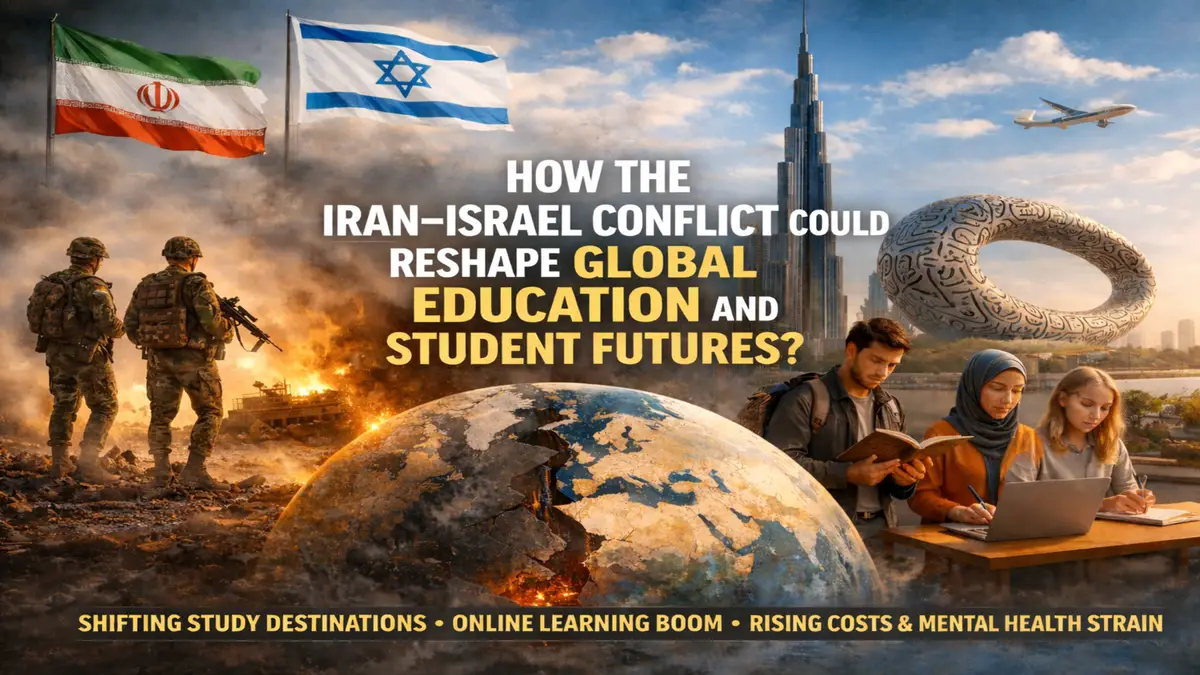
A scholar once said, “Old men declare war, but it is the youth that must fight and die”. And that is a brutal truth. The Iran–Israel war is not only reshaping geopolitics but could also transform global education, international student mobility, and career pathways for young people worldwide. Every small activity now has a profound impact - positive or negative. In this deeply interconnected world, the ongoing Iran–Israel war is not only going to alter geopolitical alliances, but it is going to change economies, technology, migration and most importantly, the education system worldwide.
For any individuals planning their higher education to study abroad, the Iran–Israel war is going to change their career pathways, decisions and even where they choose to build their futures. A ripple effect is caused in the universities, research institutions and student communities all over the world. “If we don’t end the war, the war will end us”, feels especially relevant in the context of the ongoing geopolitical conflict.
The Iran–Israel war not only ruins the system and organisation for a few years, but it also puts an entire generation of students in mental distress with no skill set to combat the after-effects of war. For a decade now, many regions have faced long-term educational disruption, trying to catch up with the other half, with its youth battling the aftermath of a war they never intended to fight. Let’s see below - the effects that the Iran–Israel War could have on global education and how that will reshape the students’ future.
When The Conflict Reaches The Classrooms
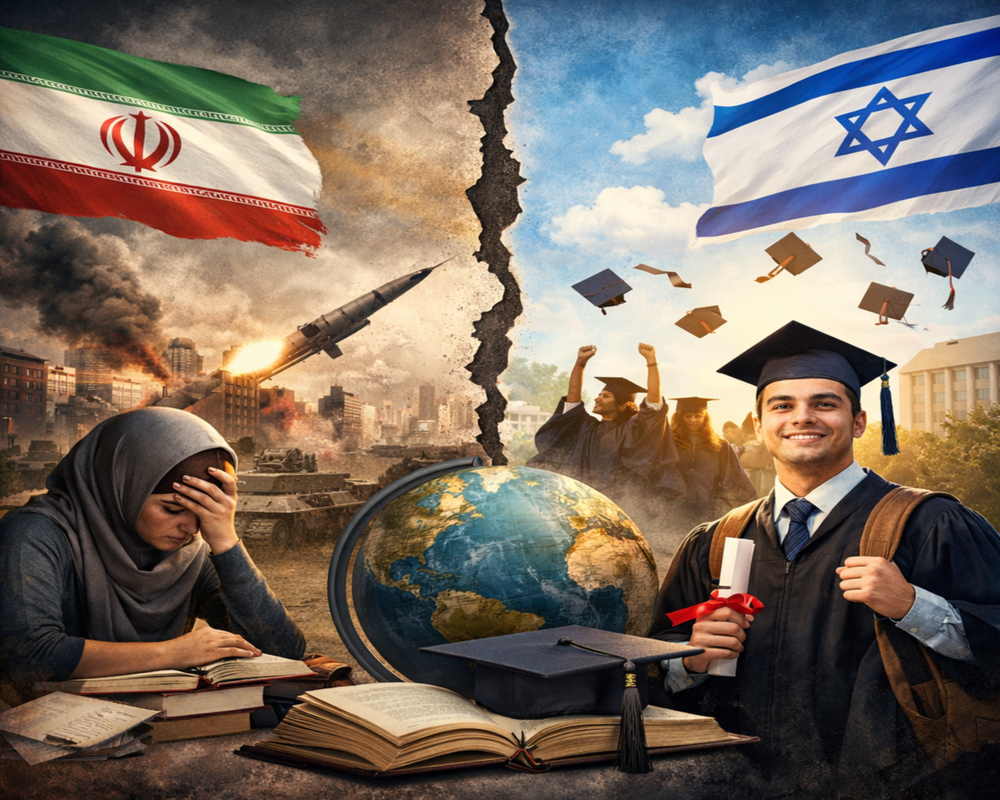
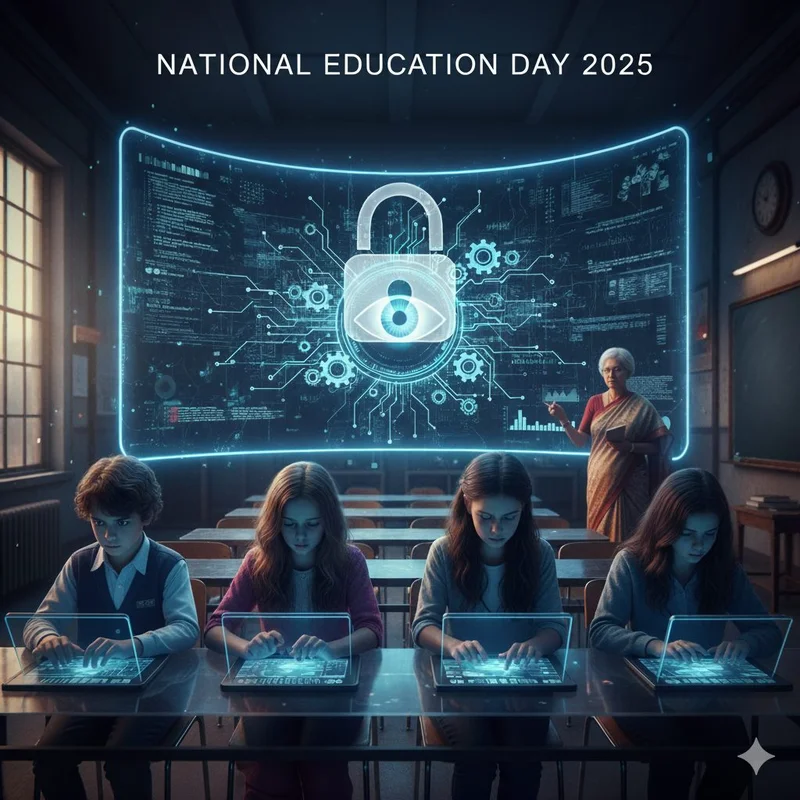
Image Credits: AI Generated
Whether it is natural calamities like floods or a disease outbreak, the first set of civilians that get affected are the international students. With the Iran–Israel war gaining momentum, universities and schools are amongst the first to be shut. Students are urged to continue their higher education from home, ensuring safety and peace.
Because of the Iran–Israel war, closure of schools and universities disrupts academic functioning and increases security concerns, putting the children and youth in distress. A lot of universities in the UAE and other countries have started remote learning to protect faculty and students. This results in the elimination of academic activities and delays the graduation process overall. There is no pathway for internships and job placements. Many valuable academic years are lost due to prolonged disruption and geopolitical conflict.
Online Learning Becomes The Safety Net
One immediate adaptation and response to the war is the shift towards remote learning.
The entire curriculum has to go from interactive classrooms to Zoom/Google meetings. These setups lack the structure, engagement and resources of traditional classrooms. With the internet connections hanging by a thread, it is just a matter of time; some students even lack digital assets.
The disparity between students with digital resources and those without them could widen significantly. Adversity is, however, a great chance for innovation. And with these rapid transitions, the universities and institutions will soon come up with long-term changes in education by investing better in digital campuses, hybrid degrees and global online classrooms. This would be a crucial step to build resilience toward any geopolitical conflicts.
The COVID pandemic popularised this model, but now it looks like a long-term solution for students seeking a stable, affordable career. They will also be pleased if they get to work for earning and get an international certification from home simultaneously.
Shifting Study Destinations & Research Ties
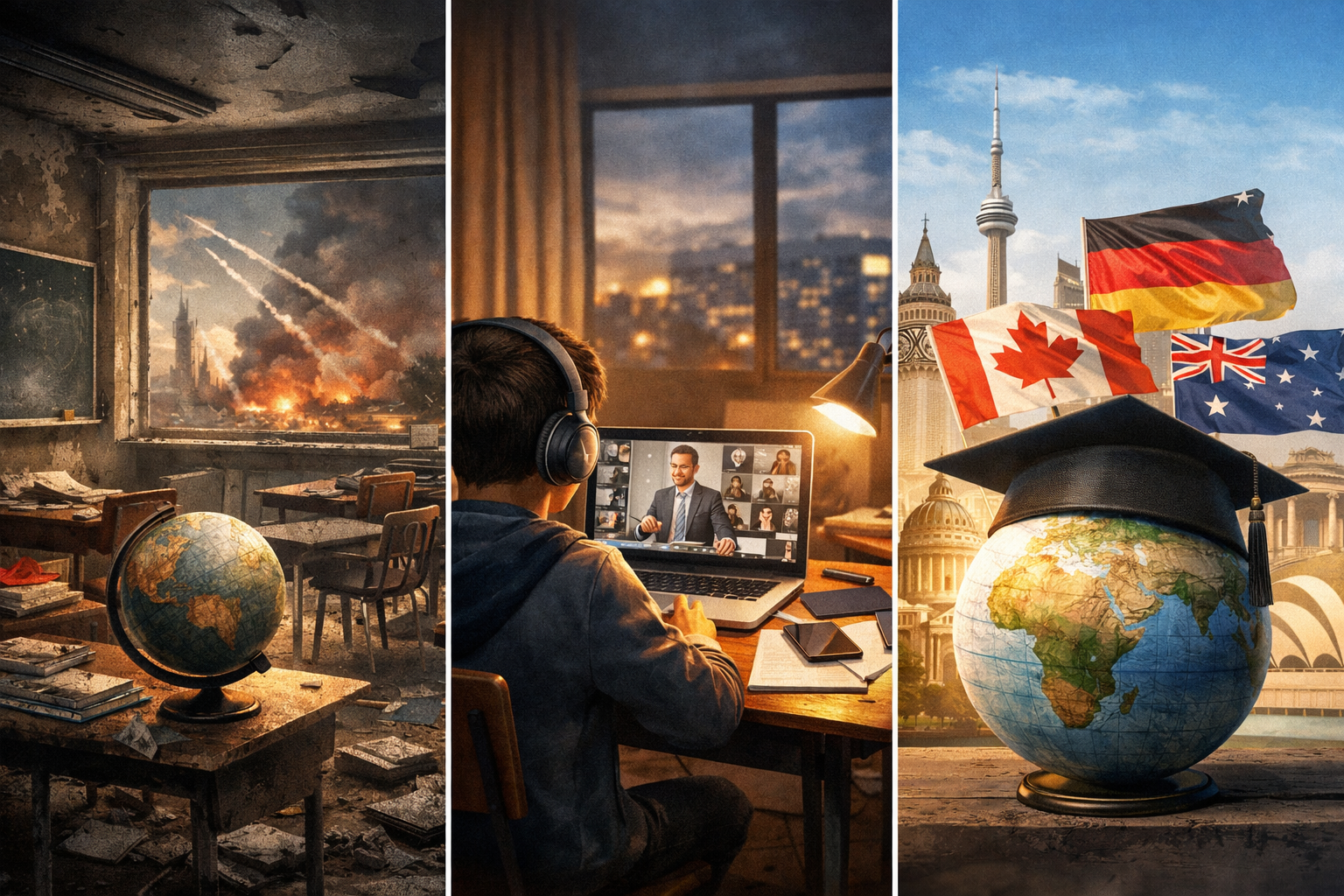
Image Credits: AI Generated
For decades, countries in the Middle East have been an important hub for global education sought by students all around the world. But the Iran–Israel war has put everyone in jeopardy. These locations no longer seem safe and sound. As a result of this, students might start choosing alternatives for higher education to study abroad, like Canada, Australia or Germany. This will also promote opportunity seekers or international students to travel to South Asia or India, where the research sector is booming and far more affordable.
The global research ecosystem needs stable geopolitical relations and locations that are not under scrutiny to collaborate and share research. Conferences and funding that are sanctioned will also take a major toll. The knowledge will flow more slowly across the borders.
Economic Shockwaves and Educational Funding
With the Strait of Hormuz closed, the global need for oil increased, and the direct impact was on the pricing. The energy markets worldwide are disrupted. This rise in price will end up causing inflation and an economic slowdown in the entire world.
When the government faces pressure on the economy, the education sector is amongst the first ones to be affected. The budgets are pulled down. Universities may increase fees, cut on research funding, and reduce scholarship and financial aid.
Faculty hiring will also see a major dip as the existing faculty remains on the radar of layoffs. Higher education for students relying on government policies will become more expensive and competitive. The mental distress to such students is also an underlying impact.
Students Preparing For An Uncertain Global Future
The rise in conflict-driven environments is going to have an effect on international students as they become more geopolitically aware. Universities already have spaces for debates. In a world with fast global networking through social media and other platforms, these spaces will undergo a crucial change. The anxiety, political polarisation, and campus tensions will rise.
Student activism and the ability of young minds to grapple with the ethical and humanitarian implications of conflicts will influence their career choices. War will not only change where the students choose to study but also what they choose to study. Some of the fields that may start getting new students eventually include:
International Relations
Peace And Conflict Studies
Cybersecurity
Energy Policy
Global Public Health
Universities will enhance their digital infrastructure to make sure that continuity during a crisis is maintained. Students will choose more politically stable countries for higher education. Knowledge in Geopolitics, Technology and Sustainability will be aimed at.
High-Paying Careers That Could Grow
As global security priorities shift, several career paths are expected to become both high-demand and high-paying. Listed below are some of the courses that may see a global rise.
Cybersecurity Specialist
Protecting the digital infrastructure and preventing cyberattacks. Governments, banks, and tech companies highly depend on these specialists with or without war.
Aerospace Engineer
Working on aircraft, satellites, and defence technology. They are always in demand in accordance with the growing tensions all over the world.Intelligence and Security Analyst
Analysing geopolitical risks, cybersecurity threats, and international conflicts for the government has been a well-paying job for a very long time now. Some MNCs also require this intelligence.Energy Policy Analyst
Global conflicts directly affect oil and energy markets. Experts in energy economics and global policy are becoming very valuable.Artificial Intelligence Defence Specialist
AI-driven defence systems, surveillance technologies, and autonomous drones are becoming crucial to modern security strategies.
Many of these careers offer competitive salaries and strong long-term job stability.
To Say The Least
In a world defined by crises, the future of global education or higher studies may depend not only on innovation but also on resilience. And for the international students navigating this turbulent era, learning to understand and respond to global conflicts could become one of the most important lessons of all.
And in that process, they may emerge not only as graduates, but as globally aware citizens ready to tackle the complex challenges of the future.