
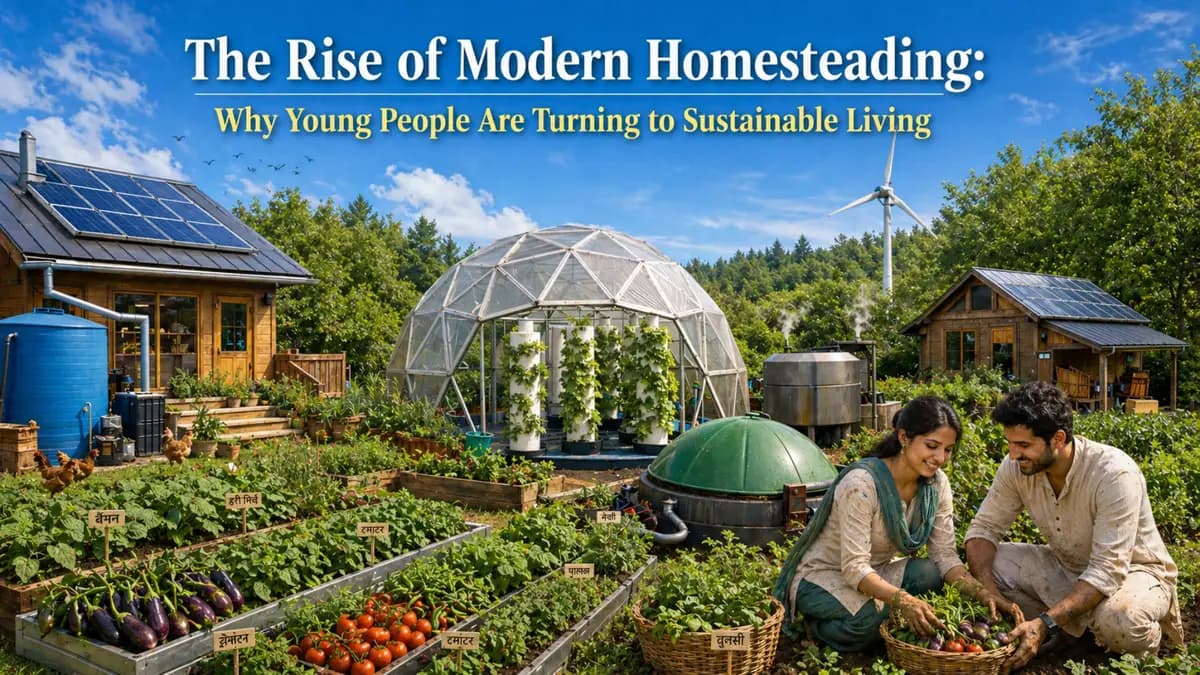
Some of our grandparents grew vegetables as a source of livelihood. Whereas Gen Z grows vegetables because the tomatoes at the market cost ₹120 per kg and come with an existential crisis about climate change. With the evolving use and dependence on technology, the environment is changing, and it is not in a good way. The generation is now targeting the reduction of carbon footprint and gearing up for self-sufficient living.
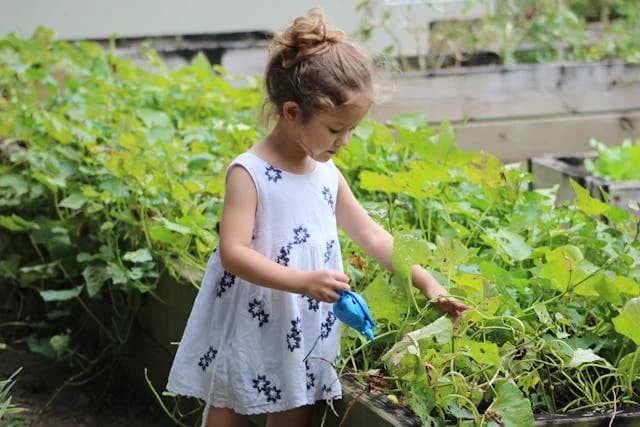
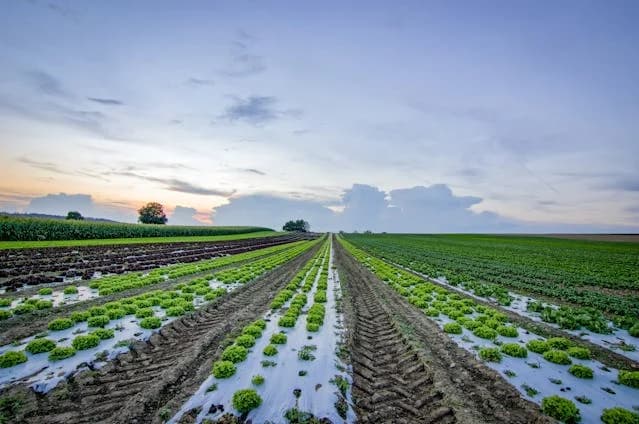
For generations, growing food- farming and harvesting was a source of earning. But the newer generation is looking at urban farming and harvesting as a way to use the food elements in their best form. They don’t find it right to pay wearisome prices for low-quality food at supermarkets laden with pesticides and of unknown origin. Everyone is now demanding organic and fresh produce.
While the world is looking at innovations and research developments in the digital field, a surprising lifestyle change is subtly happening to the young generation. This change is urban homesteading. The textbook definition of modern homesteading is a lifestyle based on sustainability, self-sufficiency and land-based living. It could be rural or urban. This practice promotes mindful consumption and reduces wastage. It is a way to be in touch with nature. It has now become an aesthetic of slow-living.
Urban homesteading, on a larger scale, is a middle way out of this practice that is generally assumed to work in rural areas only. But the new generation does not agree. They are inventing everything for convenience, like rooftop hydroponic farms, underground biogas systems, and even effective ways to harvest rainwater. It will be their key to self-sufficient living.
Why Gen Z Is Choosing Sustainable Living
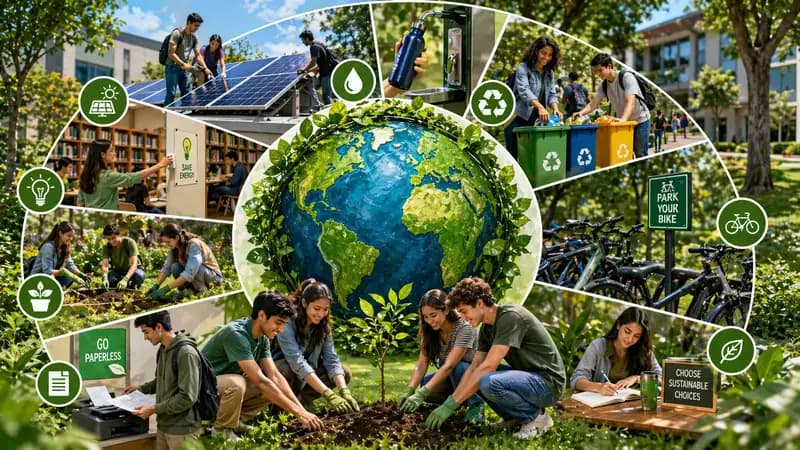
Along with how, we should also focus on knowing why the younger generation is choosing modern homesteading, urban farming and sustainable living. Education has made them aware of the roles of industries in agriculture. Alongside, they are also conscious of plastic and fossil fuel consumption. In accordance with that, they take steps to reduce their carbon footprint and promote a better ecological balance worldwide.
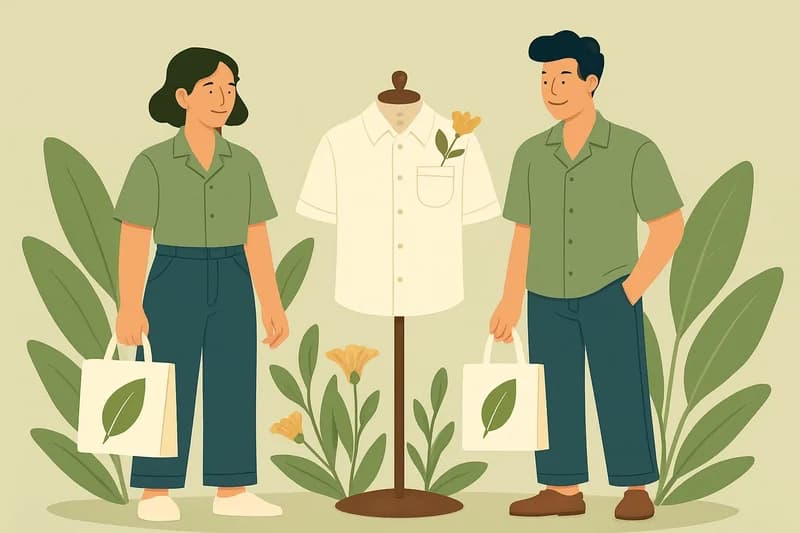
This generation practices zero use of plastic bags by carrying a cloth bag at all times. They carry metal straws and spoons to avoid paper and plastic ones. They walk/cycle instead of using cars. They use Natural/LED lighting instead of traditional bulbs. Purchase durable products, wear thrifted clothes, and don’t overbuy. They plan meals and use leftovers creatively to avoid food wastage.
Some people who can’t go vegan try spending 2 days a week being vegetarian. They try to save water and even do a digital cleanse every few days so the devices don’t use extra electricity for storage and cooling. Another major reason why the generation wants self-sufficient living and to adapt to a sustainable lifestyle is that they have gone through the COVID pandemic. They want to be resilient and prepared. With modern homesteading and urban farming, they wouldn’t have to wait for the imports and wouldn't be a target of vulnerable global supply chains.
In the long run, this eco-friendly lifestyle will also help them reduce costs on utilities. With most of the things produced at home, it not only pushes one toward a healthier lifestyle but is also a less expensive approach. It also helps environmentally conscious individuals significantly reduce their carbon footprint.
Rainwater Harvesting: A Key Practice In Urban Homesteading
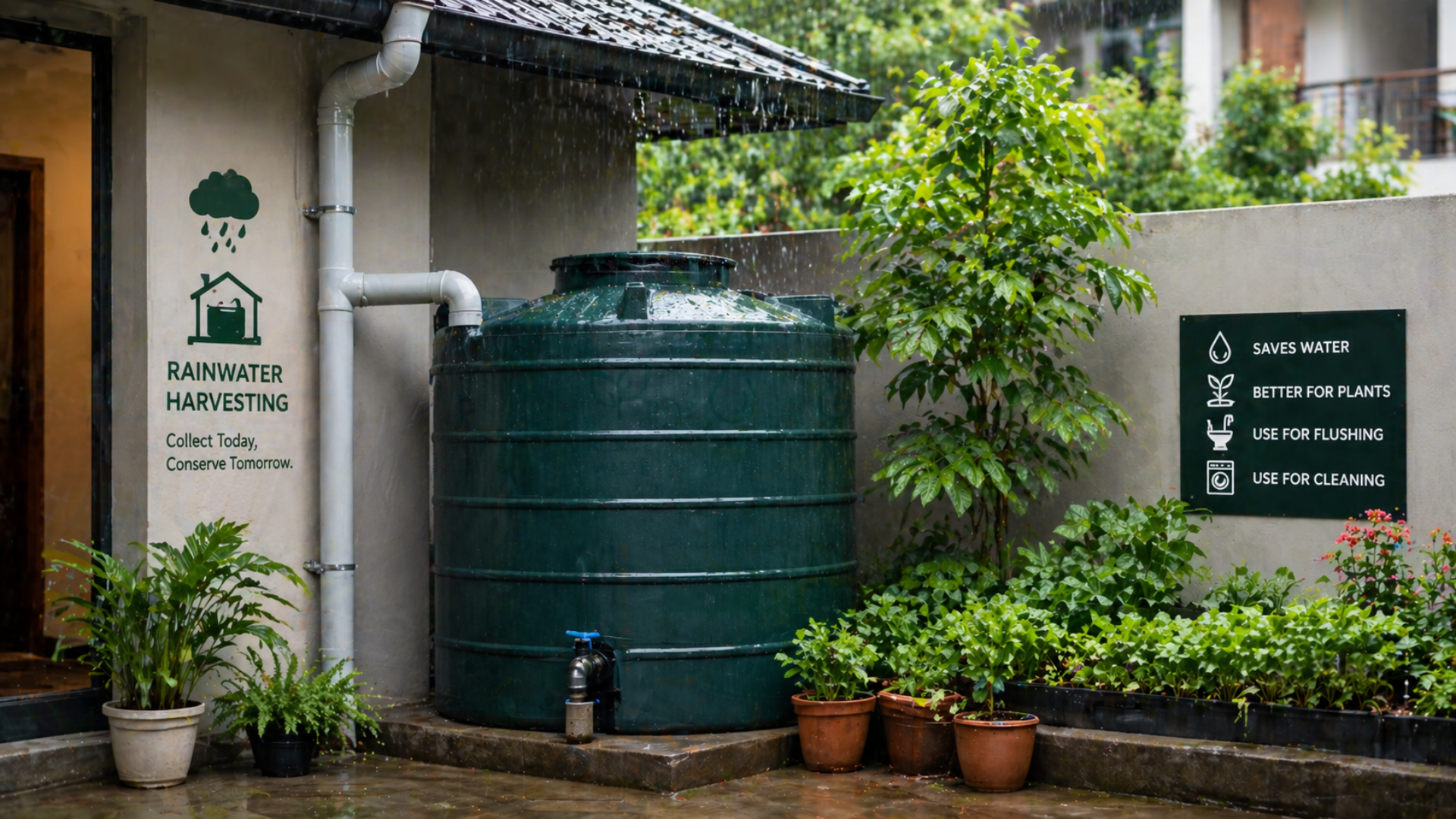
One of the oldest and easiest approaches to modern urban homesteading is using rainwater. Instead of letting it go to waste, urban homesteaders use storage tanks, barrels or underground reservoirs. This rainwater comes from the rooftop or any other source. It is collected and then stored. This stored water can then be used for flushing toilets, gardening, cleaning and drinking, if it is filtered properly.
This vital natural resource is saved, and the dependence on the municipal water supply is reduced. The rainwater, hence, will also stop from just flowing into sewage systems. Moreover, the government in many cities is now encouraging people to set up their urban homes comprising a system where they can harvest rainwater in affordable storage systems and filter it with the newest technologies, making it very easy to use. This is a great way toward sustainable living, urban planning and an eco-friendly lifestyle. If you are looking for a rooftop rainwater harvesting system, many companies in India can do it for you.
Some companies in India that offer setups for Rainwater Harvesting are:
D & D Ecotech Services
Vardhman Envirotech
InRain Construction Pvt Ltd.
Biogas Systems: Turning Kitchen Waste Into Energy
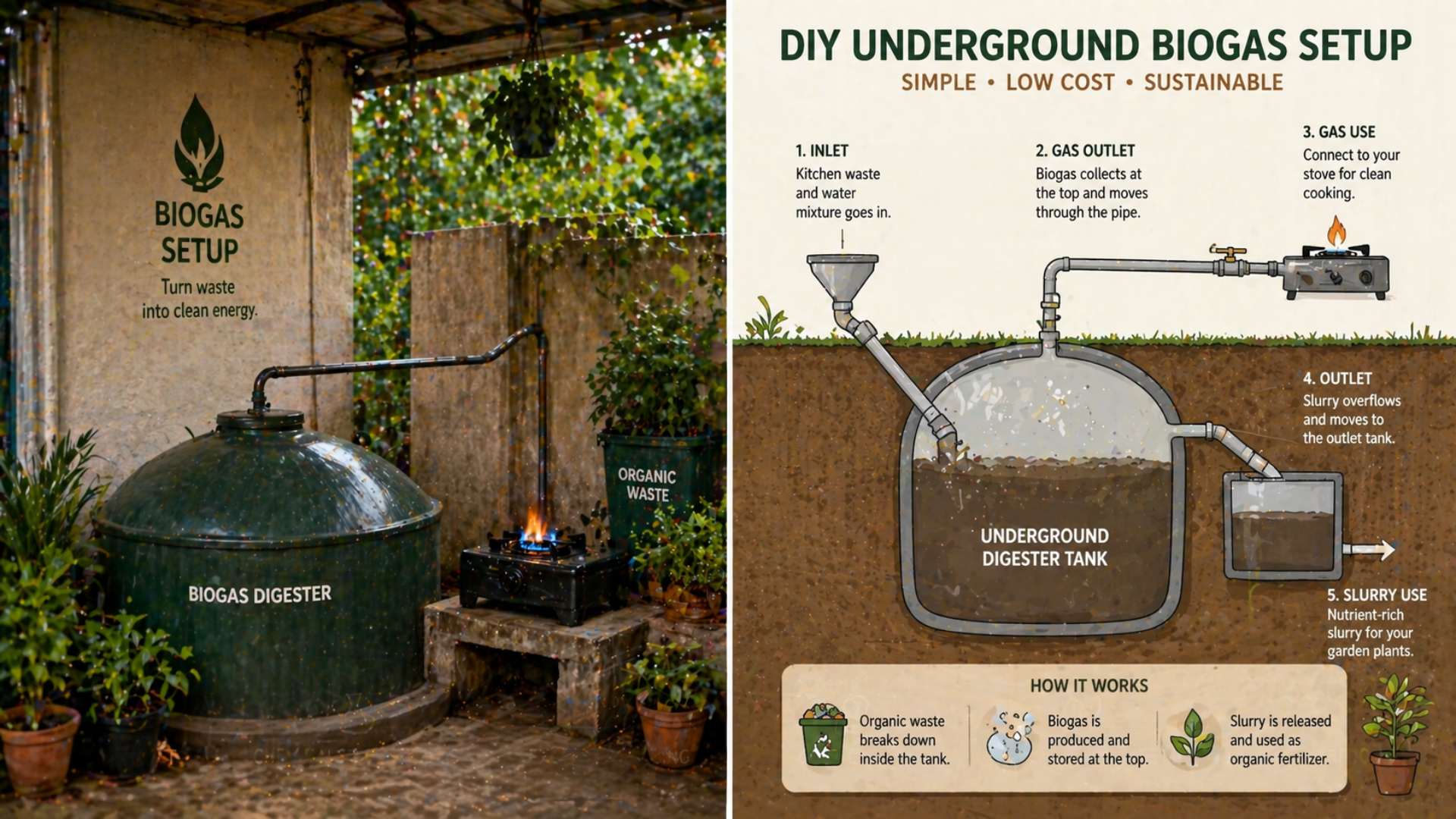
Another element in urban homesteading involves lesser/no usage of LPG gas. Urban homesteaders use Biogas as an alternative. This Biogas not only reduces the amount of gas usage but also reduces the waste as it is generated mainly from kitchen leftovers like peels, animal manure and agricultural residue.
The material can enter an inlet into a tank that is void of oxygen, where it is anaerobically digested to produce methane. The gas produced can be stored and later used for cooking, heating or even electricity generation. There is a separate pipeline for the gas outlet. The remaining compost is called slurry, and even that can be put to use as a natural fertiliser in gardens or farms. This is a major lead in reducing the carbon footprint.
Biogas setups require flat land where the rain can’t reach it, as it spoils the system, preferably near the kitchen. It can cost up to ₹15000 if you make it by yourself and up to ₹60000 if you purchase the kit and set it up. The government provides benefits in some cases. Alongside more technological advancements, we are looking forward to a more convenient setup so that more homes can adapt to it, moving a step ahead for sustainable living.
Some companies in India that offer setups for Biogas are:
Reliance Bio Energy
Organic Recycling Systems Limited
Sistema Bio
Biofics
Hydroponic Farming: Growing Food Without Soil
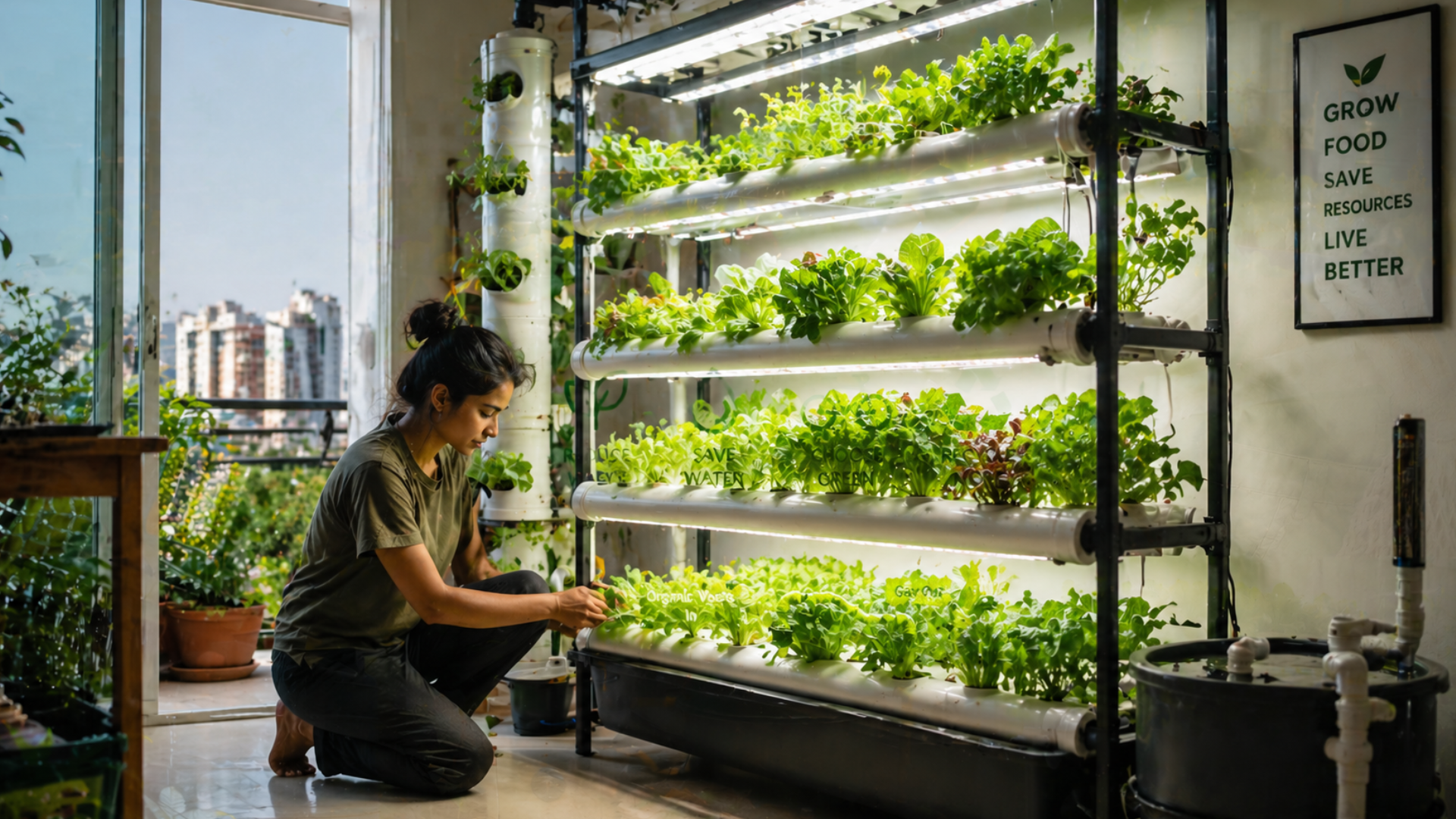
The young sustainability enthusiasts can now grow food in their own home without any sand or soil. The ideation is called hydroponic farming, meaning using water to grow food. When urban homes are compact spaces, two people living in a space designed for one, getting plants and maintaining them is a far-fetched thought.
As a solution, hydroponic farming came into existence. It includes vertical columns that are made into sections where plants can grow in nutrient-based waters all year round. These could survive in balconies, rooftops or even inside the rooms. It thrives in a controlled environment and promotes sustainable living. Lettuce, spinach, tomatoes, and herbs have proven to grow with even less water than traditional farming. This mannerism also helps with the lesser usage of fuel while transporting food.
The food produced is pesticide-free. Moreover, technical developments have made it possible for us to get these kits for an indoor hydroponic farming system at our doorstep. They are easy to set up and don’t require high maintenance.
Some companies in India that offer setup for Hydroponic Farming are:
Kryzen Biotech
Rise Hydroponics
Urban Kisaan
The Future of Modern Homesteading
The reason the urban homesteading movement has gained popularity is that, unlike in the past, conscious environmentalists are now connected through digital platforms. This enables them to have a wider impact on communities that think alike and strive to follow in the same footsteps to become more connected to nature, embracing an eco-friendly lifestyle.
Workshops, Reels and Videos over Instagram and YouTube have made it possible for people all across the world to influence one another in the right direction. Despite challenges like initial investments, technical knowledge and space limitations, urban homesteading is a huge trend with the Gen Z, inclining towards sustainable living to reduce carbon footprints.
They are ready to commit their time, patience and efforts and even consider urban homesteading therapeutic. They are proof that sustainability and innovation can go hand-in-hand. Let’s hope that this modern homesteading movement continues to grow, shaping a generation that interacts more responsibly with food, energy and nature.